My Hometown: Bend, Oregon
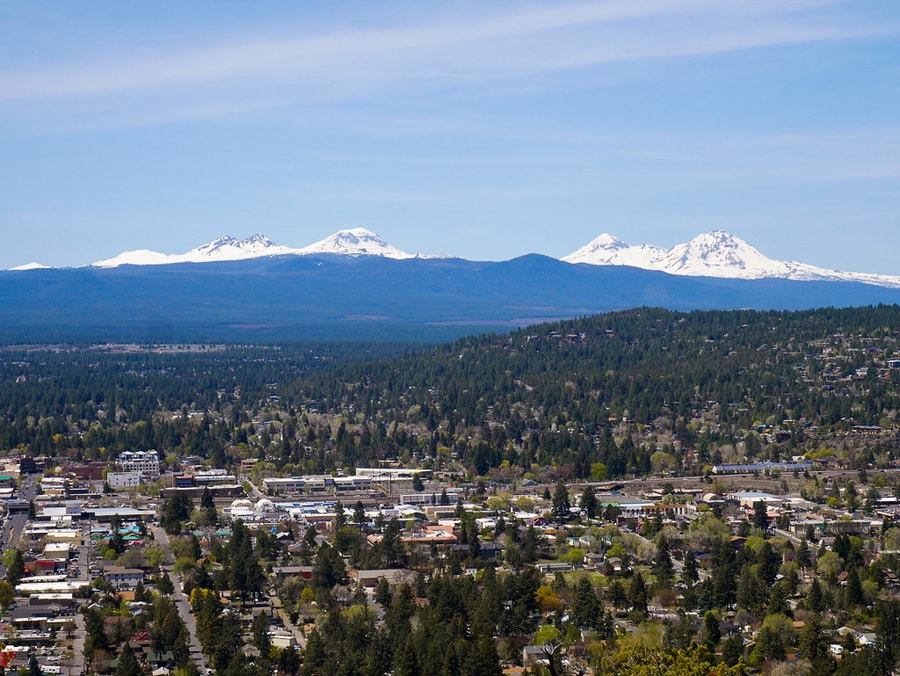
Welcome to Bend, Oregon, where the rugged beauty of the high desert meets the snow-capped peaks of the Cascade Range. Once a quiet logging town, Bend has transformed into the "Outdoor Playground of the West," offering a unique blend of adrenaline-fueled adventure and laid-back mountain culture.
History
Originally inhabited by the Confederated Tribes of Warm Springs, Wascoes, and Paiutes, the area that became Bend served as a vital hunting and fishing ground for generations before Euro-American settlers arrived. In the mid-19th century, pioneers traveling west across the high desert identified the site as one of the few fordable points along the Deschutes River, naming it "Farewell Bend" as it was the last place they would camp before heading into the unknown wilderness. The city was officially incorporated in 1905, and its name was shortened to "Bend" by the U.S. Postal Service to avoid confusion with other locations. Shortly after, the arrival of the railroad sparked a massive industrial boom, led by the Brooks-Scanlon and Shevlin-Hixon lumber companies, which at their peak operated the largest ponderosa pine sawmills in the world.
Modern Day
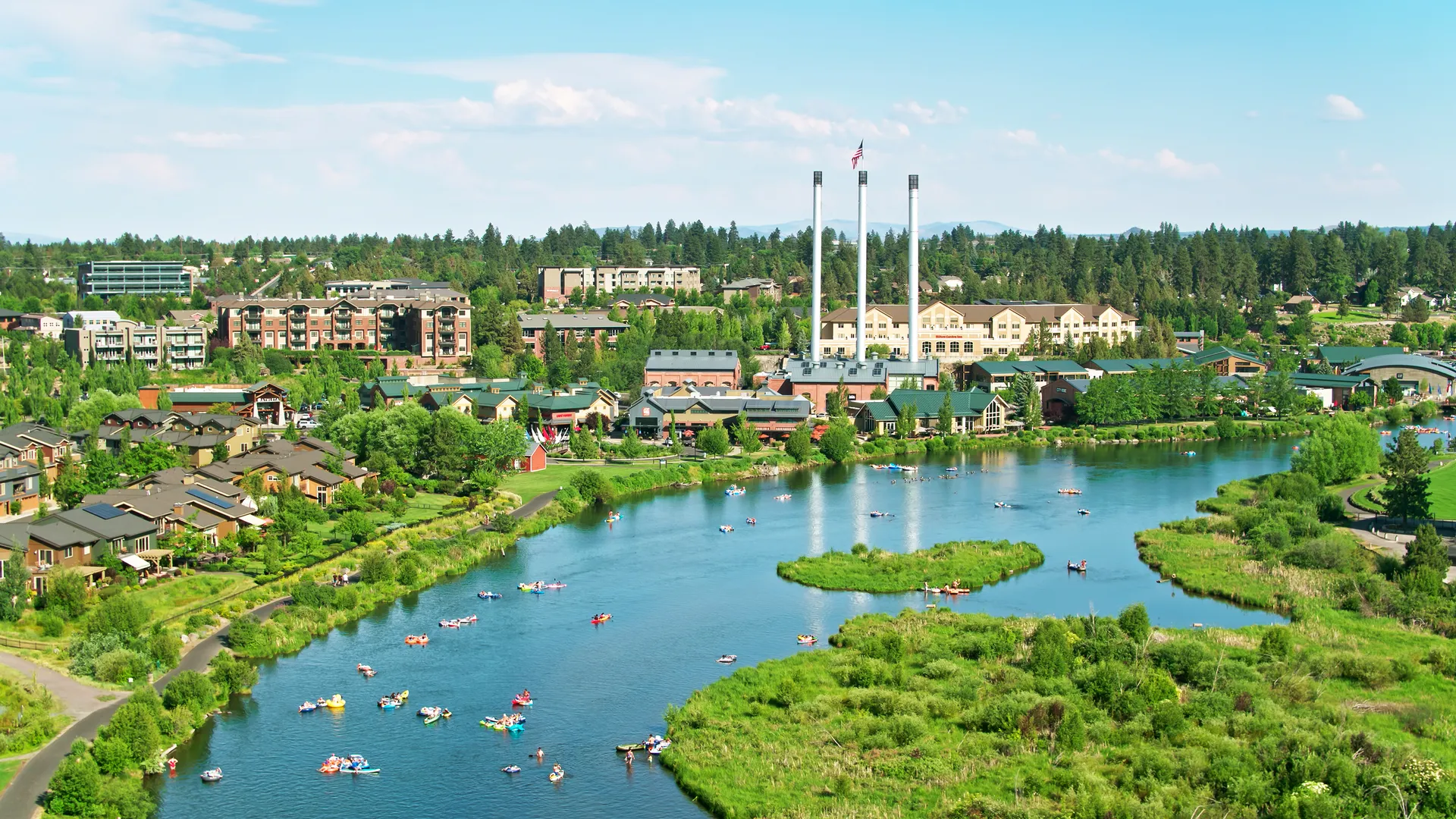
Today, Bend’s history is preserved through iconic landmarks that have been repurposed for modern life. The Old Mill District, once the heart of the city's timber industry, still features the three massive brick smokestacks of the original Brooks-Scanlon mill as a centerpiece for shopping and entertainment. Other significant sites include the Tower Theatre, a restored 1940s Art Deco gem in the center of downtown, and Drake Park, which houses the famous Mirror Pond created by a 1910 hydroelectric dam. Beyond its industrial roots, Bend is famously home to the world’s last remaining Blockbuster Video, a nostalgic tourist destination, and is one of only three cities in the continental United States to have an extinct volcano—Pilot Butte—within its city limits, offering panoramic views of the Cascade Range.